Sleep science and materials
Inside Dunlop Latex: Density, Resilience, and Sleep Feel
Dunlop latex has a reputation for buoyant support and long-lasting spring. But those qualities do not tell the whole story. The feel of a latex sleep surface depends on how it is made, how thick its layers are, what supports them, and how the sleeper’s body meets the bed.
Published November 7, 2026
Some bedding materials seem to welcome the body by yielding slowly. Latex takes a different route. Press into it and it responds; shift position and it pushes back. That springy quality is one reason Dunlop latex appears in mattresses and pillows designed for steady, responsive support. It can feel gently buoyant rather than deeply enveloping, though the exact sensation varies widely from one construction to another.
“Dunlop” describes a manufacturing method, not a single firmness or guaranteed level of comfort. Density, firmness, thickness, layering, cover materials and the bed’s foundation all help shape the result. Understanding those details makes it easier to read product specifications without mistaking a technical label for a promise about how a mattress will feel.
This guide explains how Dunlop latex is produced, what density can—and cannot—tell you, how resilience influences sleep feel, and which questions are worth asking about certifications and care. The aim is not to declare one material best. It is to make the choices clearer.
What Dunlop latex is
Latex used in bedding is made from latex rubber, which may come from natural rubber tree sap, synthetic rubber, or a blend. In a common Dunlop process, liquid latex is prepared, poured into a mold, heated to set, then washed and dried. Manufacturers may vary the formulation and production details, so the word “Dunlop” alone does not identify every ingredient or describe every stage of a product’s manufacture.
The process produces a resilient foam with a network of air spaces. Under pressure, the material compresses, then recovers when the pressure is removed. That recovery is why latex is often described as responsive. It is not a rigid slab: it can flex and cushion. But compared with materials that slowly conform around the body, it tends to respond more promptly to movement.
Dunlop is often contrasted with Talalay latex, another production method. The processes differ, and those differences may affect the structure and feel of the finished foam. Yet neither method is a reliable shortcut to a simple verdict such as “firm” or “soft.” Products made using the same process can still differ in formulation, firmness, thickness, and overall design. A construction label is a starting point, not a complete comfort description.
Density: useful information, not a firmness score
Density describes how much material is packed into a given volume. In general, a denser foam contains more material in the same space than a less-dense foam. This can matter when comparing materials and assessing how a layer is built. But density is not interchangeable with firmness, nor does it tell you exactly how a mattress will feel beneath your body.
Firmness refers more directly to how resistant a material or sleep surface feels under compression. Two latex layers with different densities may have similar firmness ratings; two layers with similar density may feel different because of their formulations or construction. The mattress as a whole adds further variables: layer order, thickness, cover tension, transition materials and the support beneath the mattress.
It is also worth checking what a manufacturer means by a quoted number. Specifications may use different units or testing methods, and firmness scales are not necessarily standardized across brands. A number that looks precise can still be difficult to compare if the testing basis is unclear. Ask whether a figure describes the latex layer alone or the complete mattress, and whether it is a density measure, a firmness measure or something else.
Density can be one clue when assessing construction and expected durability, but it should not be treated as a guarantee of lifespan. How a mattress performs over time depends on material quality, use, the foundation, care and the sleeper’s individual needs. Clear, product-specific specifications are more useful than a general claim that one density is automatically superior.
Resilience and the feeling of movement
Resilience is the tendency of a material to spring back after it is compressed. In a latex sleep surface, that response may make it easier to change positions without feeling as though the mattress is slowly releasing the body. Some sleepers appreciate the sensation of lift and mobility. Others prefer the quieter, slower contouring associated with different kinds of foam.
Resilience can influence pressure relief, too, but it does not determine it by itself. A responsive layer may cushion the shoulders and hips while still supporting the body. Whether it provides enough pressure relief depends on how deeply it compresses, the firmness of the layer, its thickness and how weight is distributed. A surface that feels supportive to one sleeper can feel too firm to another.
Movement transfer is another question people raise when considering latex. Responsiveness may make a bed feel lively, but the effect on a sleeping partner depends on the entire mattress, including its layers, dimensions and base. There is no single rule that predicts what two people will feel. If sharing a bed, consider the complete construction and, when possible, test it together or look for a trial period with clearly stated terms.
Why thickness and layering matter
A latex mattress is not always one uniform block. Some designs combine layers with different firmnesses; others use one latex core with a cover and additional comfort materials. The order and thickness of the layers can change how the surface behaves. A softer upper layer may allow more cushioning, while a firmer layer beneath it can limit how far the body sinks. These effects are influenced by the whole system rather than any one label.
Layer thickness changes the distance between the sleeper and deeper support. A thin comfort layer may feel different from a thicker one even if both use material with a similar firmness description. The base matters as well. An unsupportive or incompatible foundation may affect the way a mattress performs and may conflict with the manufacturer’s care instructions or warranty conditions.
Sleep position offers a useful, if imperfect, way to think through these trade-offs. Side sleepers often look for enough cushioning around the shoulder and hip to avoid concentrated pressure. Back sleepers may prioritize a balance between surface comfort and support through the torso. Stomach sleepers may be particularly attentive to excessive sinking around the midsection. Body shape, weight, temperature preference and personal comfort all complicate these generalizations.
These are considerations, not prescriptions. A label such as “side sleeper” does not automatically identify the right firmness, and a mattress cannot guarantee relief from pain. Persistent or severe discomfort deserves a conversation with a qualified health professional rather than reliance on a material description alone.
Natural, synthetic and blended latex
“Latex” can describe different material compositions. Natural latex is made using rubber tree sap. Synthetic latex is produced from synthetic rubber. Some products blend natural and synthetic components. These distinctions may matter to people who are comparing materials, environmental claims, sensitivities or sourcing information, but the word “natural” should not be treated as a full description of a finished mattress.
Read the exact product specification. Look for clear statements about whether the latex is natural, synthetic or blended, and whether the description applies to every latex layer. Also check what else is present: covers, adhesives, quilting, fire barriers and other components are separate parts of the product. A mattress is a finished assembly, not just its central foam layer.
People with known latex allergies should seek advice from an appropriate clinician and contact the manufacturer for precise information about materials and exposure. Product claims and certifications are not substitutes for personalized medical guidance. If a manufacturer cannot clearly answer questions about composition, that uncertainty is worth weighing before purchase.
Certifications: read the scope, not just the seal
Certifications can help verify particular claims, but different programs assess different things. A certification may apply to the latex material, a textile component, or a finished product. It may address organic sourcing, chemical content or manufacturing standards. A logo by itself does not necessarily tell you what was tested, which components were covered or how the product was evaluated.
Ask for the name of the certification program and confirm what its standard covers. Check whether the certificate applies to the specific model and material being considered, rather than to a supplier, facility or unrelated component. If a product is described as organic, look for the relevant certification details and identify which materials are included in that claim.
Certification is useful context, not a universal measure of comfort, durability or suitability. A well-documented materials claim cannot tell you whether the mattress feels right for your body. Conversely, a lack of a particular certification does not by itself establish that a product is unsafe. The strongest purchasing decision combines transparent documentation with a realistic assessment of comfort and care.
Care and the life of a latex sleep surface
Care instructions differ by product. A latex core may not be designed to be washed, and covers may or may not be removable. Follow the manufacturer’s guidance rather than assuming that a removable-looking cover can go into a washing machine. Moisture, heat and cleaning products can affect materials, seams or adhesives, depending on the construction.
Use the foundation specified or permitted by the manufacturer. Some mattresses call for a particular kind of slatted base or consistent support across the surface. Check spacing requirements, weight limits and ventilation guidance, and review the warranty for conditions that affect coverage. Rotate or flip a mattress only if the manufacturer recommends it; not every model is designed to be turned over.
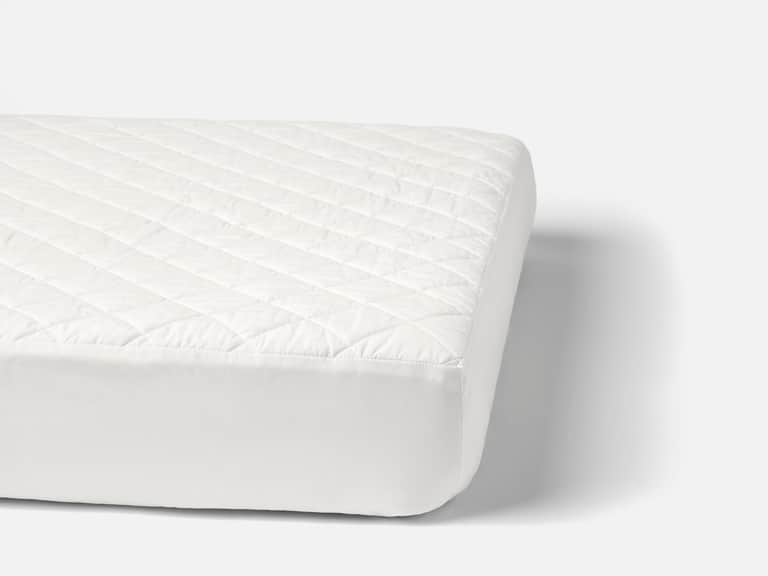
A mattress protector can help guard against spills and everyday soil, provided it fits the mattress and does not substantially change the feel or temperature of the surface. Keep the product’s care label and warranty information accessible. Small, sensible habits can protect the sleep environment, but no material can promise a fixed lifespan under every pattern of use.
A practical checklist before comparing mattresses
When specifications begin to blur together, return to a short list of questions. The answers should help distinguish a documented product from one relying mainly on broad marketing language.
- What is the latex composition: natural, synthetic or blended?
- What does each quoted measurement mean, and what unit or test method was used?
- How many layers are in the mattress, and what are their thicknesses and stated firmnesses?
- Does the specification describe the latex itself or the complete sleep surface?
- Which certifications apply, and exactly which components do they cover?
- What foundation, cleaning method and rotation schedule does the manufacturer recommend?
- What are the trial, return, delivery and warranty terms?
Testing the mattress, when possible, is valuable because comfort is personal and the first few minutes are not always representative. Take time to lie in the position you normally use. Notice pressure at the shoulders and hips, whether your body feels supported, and how easily you can move. If shopping remotely, read the trial terms closely: confirm the duration, fees, pickup process and any conditions that apply.
Common misunderstandings about Dunlop latex
“Dunlop always feels firm.” No. Dunlop latex is made in a range of formulations and firmnesses, and the mattress design changes the overall result. The construction specification matters more than the name alone.
“Higher density automatically means better support.” Density and firmness are different measurements. A denser material may contain more material per volume, but that fact alone does not establish whether its feel suits a particular sleeper or whether a complete mattress provides appropriate support.
“Natural means every part of the mattress is natural.” Not necessarily. A mattress can combine latex with textiles, barriers and other components. Ask for a complete materials breakdown, especially when a specific ingredient or certification matters to you.
“Resilient means it cannot wear out.” Resilience describes recovery after compression; it is not a promise of permanent performance. Materials age, and use, support and care contribute to how a mattress changes over time.
“A material can fix a sleep problem.” A comfortable sleep surface may help some people rest more comfortably, but no mattress material can diagnose or treat a medical condition. Sleep concerns that persist or interfere with daily life merit appropriate professional advice.
The bottom line
Dunlop latex is valued for a responsive, buoyant character, but there is no universal Dunlop feel. Density can describe how much material occupies a volume; it does not serve as a firmness rating. Resilience explains the material’s spring-back, while thickness, layer arrangement, composition, cover and foundation help determine how that response reaches the sleeper.
The most useful comparison begins with clear, product-specific information. Learn what the latex is made from, distinguish density from firmness, inspect the layer design and read certifications for their actual scope. Then bring those details back to the question that matters most: does the complete sleep surface feel comfortable and supportive to you?
That answer may require patience. Sleep is not a laboratory number, and a material name is not a guarantee. But with a few precise questions and a willingness to look past shorthand, a complicated mattress label can become a more informed choice.